
PACWA anime une formation transformatrice pour l'autonomisation des femmes à Samburu

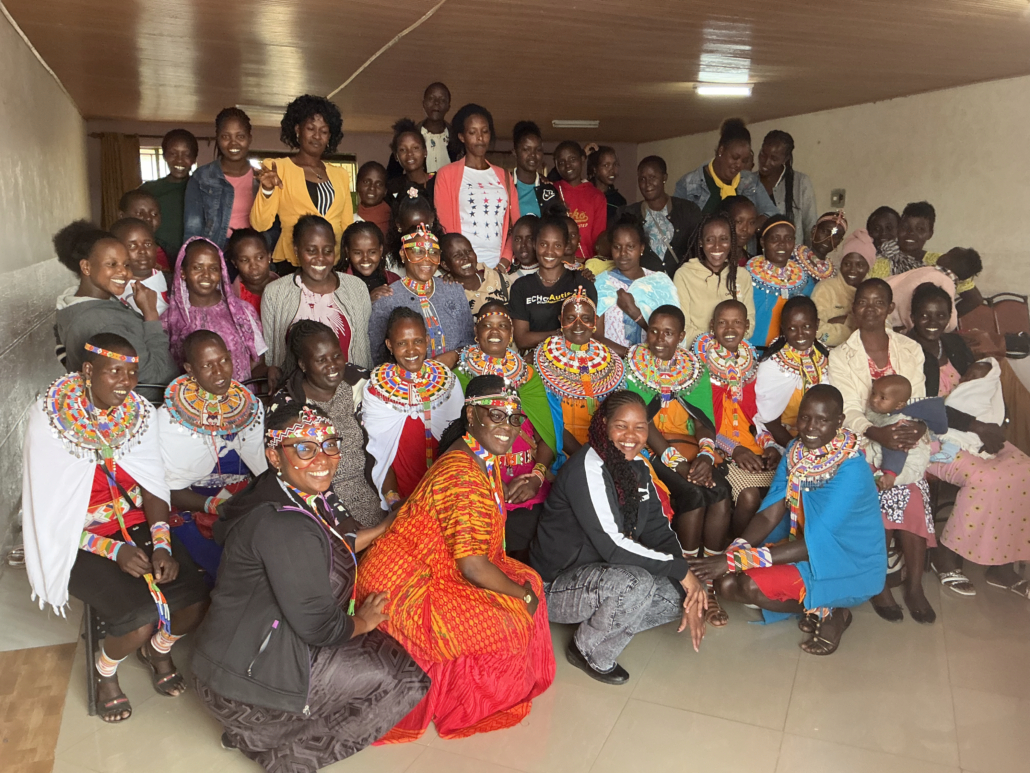
L’Alliance panafricaine des femmes chrétiennes (PACWA), la commission des femmes de l’Association des évangéliques en Afrique (AEA), a organisé une formation de trois jours sur l’autonomisation des femmes dans le comté de Samburu, du 26 au 28 novembre. Cinquante femmes de la communauté ont participé à ce programme, conçu pour renforcer leur identité spirituelle, améliorer leurs connaissances en matière de santé, développer leurs compétences économiques et mettre en place des systèmes de soutien à long terme. Cette formation témoigne de l’engagement continu de la PACWA à accompagner les femmes à travers l’Afrique grâce à une autonomisation globale, ancrée à la fois dans la foi et le développement pratique. Le programme était animé par la directrice exécutive de la PACWA, Irene Kibagendi, accompagnée de June Nderitu, chargée des programmes de l’AEA, de Melissa Mushamalirwa, chargée du suivi et de l’évaluation de l’AEA, et de David Makutsa, chargé de la logistique de l’AEA.
La première journée était consacrée à la formation spirituelle, aidant les femmes à comprendre leur valeur et leur importance en tant que porteuses de l'image de Dieu. Irene Kibagendi, de PACWA, a exprimé sa joie face à cet accueil, déclarant :
« Nous avons abordé la formation spirituelle et les femmes ont été très encouragées de savoir qu'elles portent l'image et la ressemblance de Dieu. Aujourd'hui, nous avons pu les aider à découvrir leur identité. »
Irène a expliqué par la suite que ces séances avaient suscité confiance et enthousiasme chez les femmes, dont beaucoup ont témoigné combien il était valorisant de renouer avec leur dignité. Elle a ajouté que lorsque les femmes reçoivent des connaissances et bénéficient même de modestes opportunités financières, cela peut engendrer une véritable transformation pour leurs familles, leurs églises et leurs communautés.
Au fil de la formation, les participantes ont exploré les thèmes de la santé et du bien-être, découvrant des approches pratiques en matière de santé physique, émotionnelle et reproductive. Des ateliers d'autonomisation économique leur ont fourni des outils pour la planification financière, le développement de petites entreprises et la mise en place d'activités génératrices de revenus. Un moment fort du programme a été un exercice de présentation de projets d'entreprise, où les femmes ont présenté leurs idées et reçu un financement de démarrage pour les concrétiser. Afin d'assurer la continuité et le soutien au-delà des trois jours de formation, les participantes se sont organisées en groupes d'intérêt qui serviront de mentorat par les pairs et de cercles de responsabilisation.
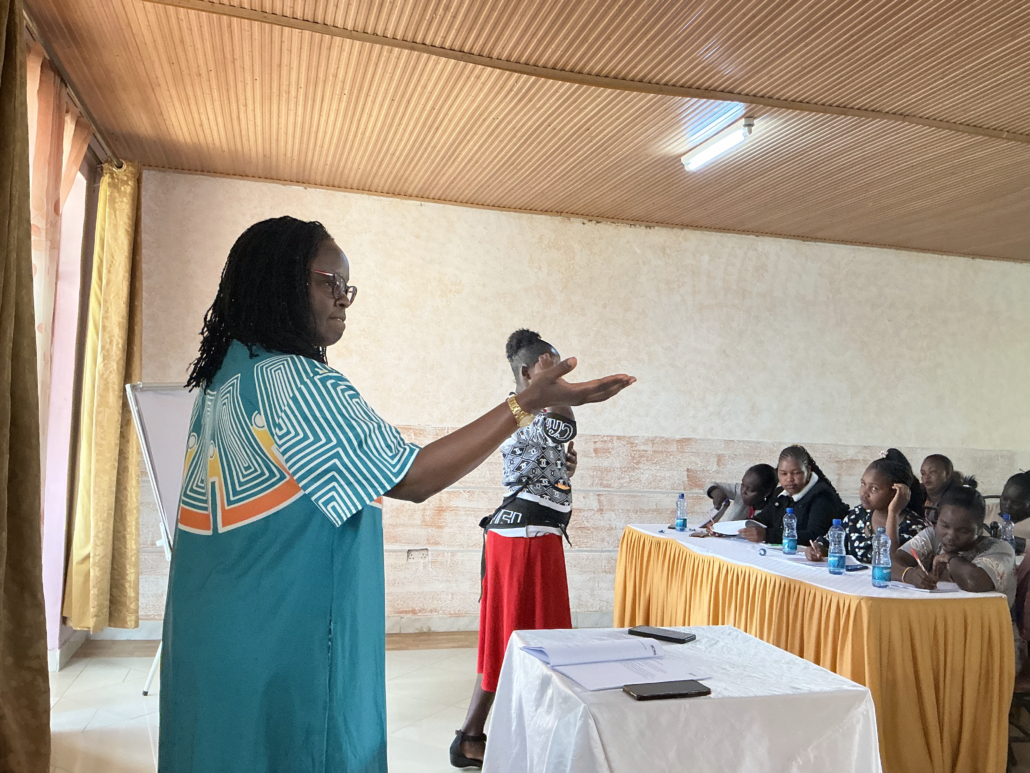
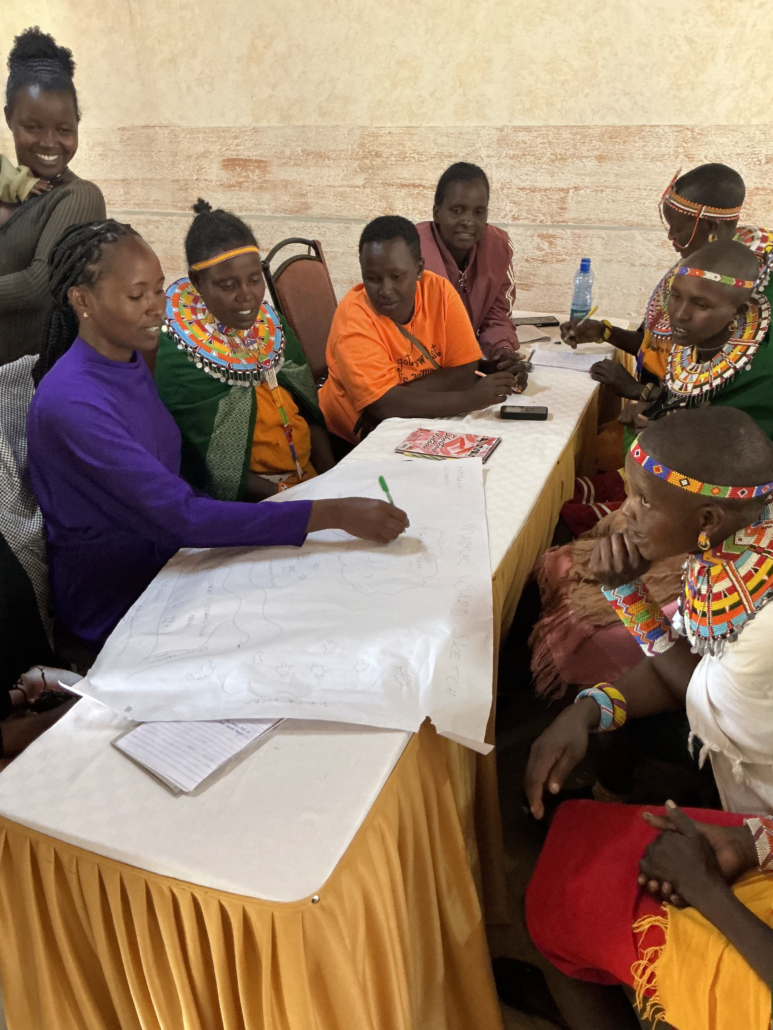
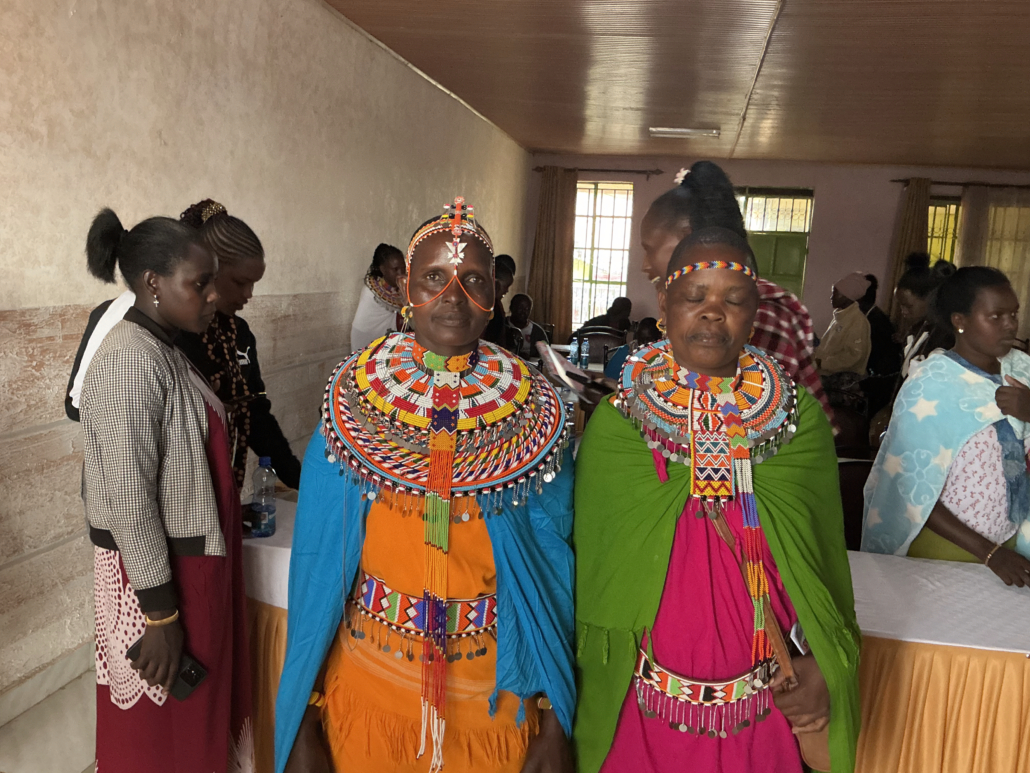
La deuxième journée de formation s'est étendue à plusieurs domaines de développement clés, sous la direction de June Nderitu, chargée de programmes à l'AEA, qui a animé des sessions sur la santé, le leadership, la participation citoyenne et la protection de l'environnement. June a décrit les thèmes abordés ce jour-là :
« Nous avons exploré avec les femmes présentes à cette formation trois aspects essentiels : la santé, le bien-être et l’équilibre. Nous avons également abordé la politique et le rôle des femmes dans le leadership, et la manière dont elles peuvent participer aux processus politiques, car ces processus ont un impact sur leur vie quotidienne. »
June a ensuite expliqué en détail comment les femmes ont abordé les questions de santé physique, mentale, relationnelle, nutritionnelle et reproductive, et comment celles-ci influencent directement leurs aspirations. Elle a également animé des discussions sur la mobilisation, le plaidoyer collectif et le pouvoir des femmes d'influencer les décisions communautaires concernant l'eau, l'éducation, l'agriculture et les services publics. Elle a par ailleurs présenté aux femmes des solutions concrètes pour relever les défis climatiques, notamment la collecte des eaux de pluie, la protection de l'environnement, le recyclage et la création de potagers pour assurer la sécurité alimentaire des ménages. La journée s'est conclue par un appel aux femmes à utiliser les ressources dont elles disposent déjà pour élaborer des solutions durables et adaptées à leur contexte local.
Le suivi et l'évaluation, introduits le dernier jour, ont permis aux femmes de comprendre comment suivre leurs progrès et mesurer leurs résultats. Melissa Mushamalirwa, responsable du suivi et de l'évaluation chez AEA, a souligné l'importance de cette étape :
« Aujourd’hui, nous avons surtout appris des choses sur l’autonomisation économique, le suivi et l’évaluation. Les femmes ont décidé de se regrouper en petits groupes et de créer des groupes de soutien, organisés selon les différentes activités qui les intéressent. »
Melissa a souligné que ces groupes contribueront à pérenniser l'apprentissage, à suivre les progrès et à garantir que la formation produise un impact mesurable et durable. Elle a ajouté que si la formation Samburu est terminée, ce moment marque le début d'un parcours d'autonomisation plus long et plus significatif pour les participantes. Les femmes ont ensuite été réparties en groupes selon leurs domaines d'intérêt en matière de projets générateurs de revenus, et ont bénéficié d'un accompagnement financier pour développer leurs activités.
L'atmosphère à la fin de la formation était empreinte d'enthousiasme et d'un nouvel élan. Fortes d'un ancrage spirituel renforcé, de nouvelles compétences pratiques et de réseaux de soutien désormais en place, les femmes de Samburu sont mieux à même d'influencer positivement leur foyer, de s'investir dans le leadership communautaire et de saisir les opportunités économiques. La directrice générale a remercié Margaret Kimosop, chargée de programme chez Cornerstone Trust, ainsi que toute la communauté Cornerstone pour leur précieux soutien à cette mission réussie. PACWA espère que l'élan suscité durant ces trois jours continuera de croître, inspirant un changement durable et encourageant davantage de femmes de la région à s'épanouir pleinement dans leur potentiel.


 English
  French
  Portuguese