
L'Afrique que Dieu désire : AEA SG s'engage auprès de l'Église évangélique de Madagascar
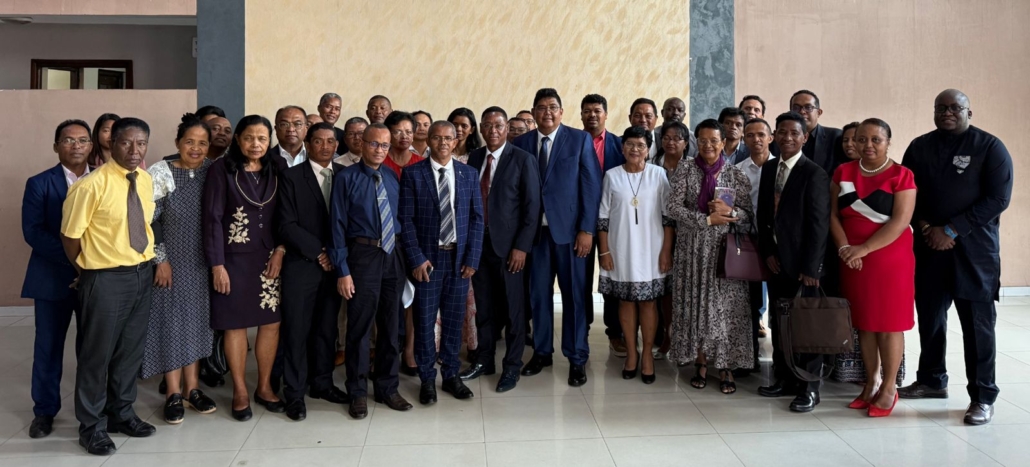
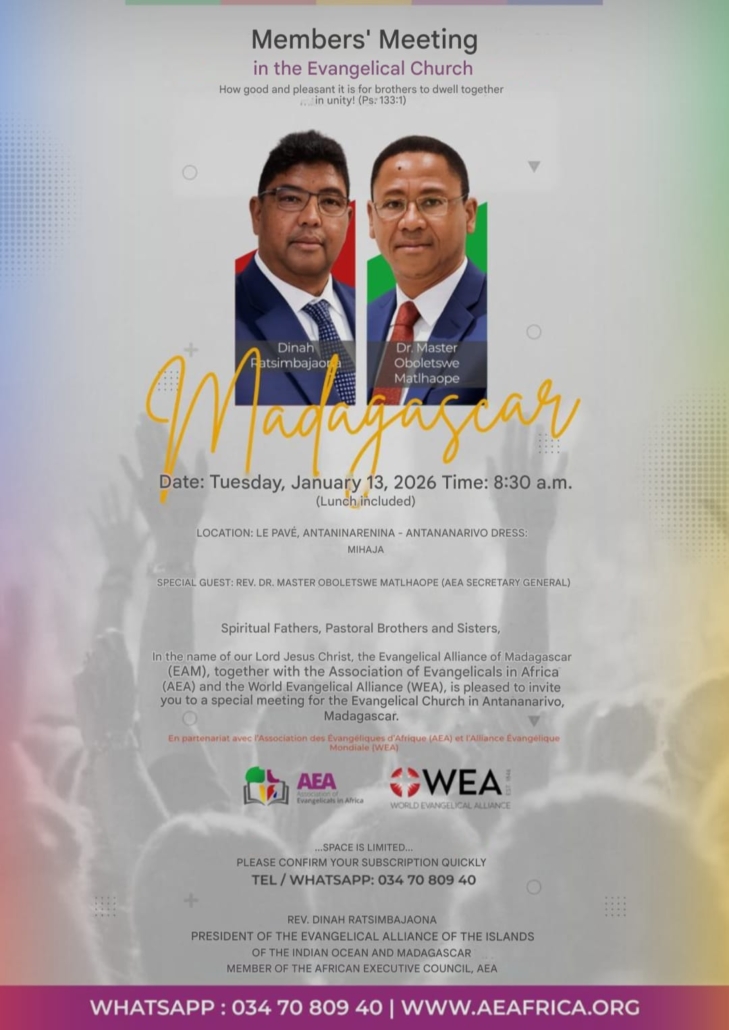
L’Alliance Évangélique de Madagascar (AEM), en partenariat avec l’Association des Évangéliques d’Afrique (AEA) et l’Alliance Évangélique Mondiale (AEM), a tenu avec succès l’Assemblée des Membres de l’Église Évangélique le mardi 13 janvier 2026 à Antananarivo. L’événement a été honoré par la présence du Révérend Docteur Master Oboletswe Mathlahope, Secrétaire Général de l’AEA, dont la participation a enrichi ce temps de dialogue, de prière et de réflexion. Réunie sous la direction de la Révérende Dinah Ratsimbajaona, Présidente de l’Alliance Évangélique des Îles de l’Océan Indien et de Madagascar, cette rencontre a rassemblé des pères spirituels, des pasteurs et des responsables d’Églises dans un esprit d’unité et de fraternité inspiré du Psaume 133,1, avec pour objectif commun de renforcer la coopération et de faire progresser la mission de l’Église Évangélique à Madagascar et dans toute la région.
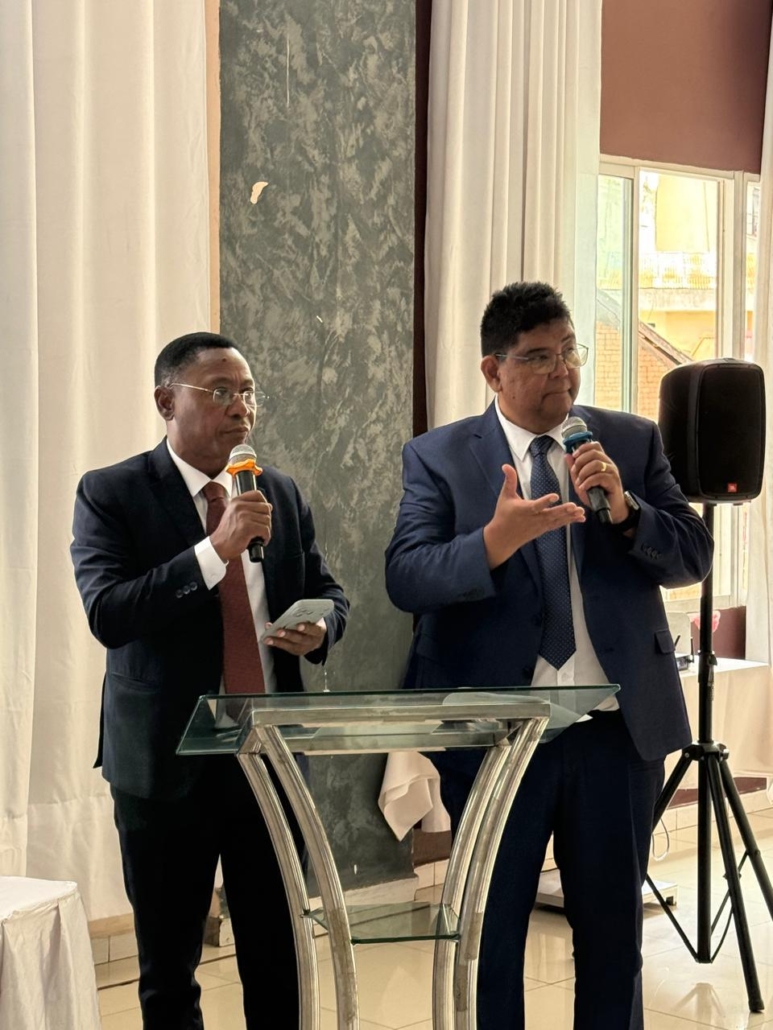
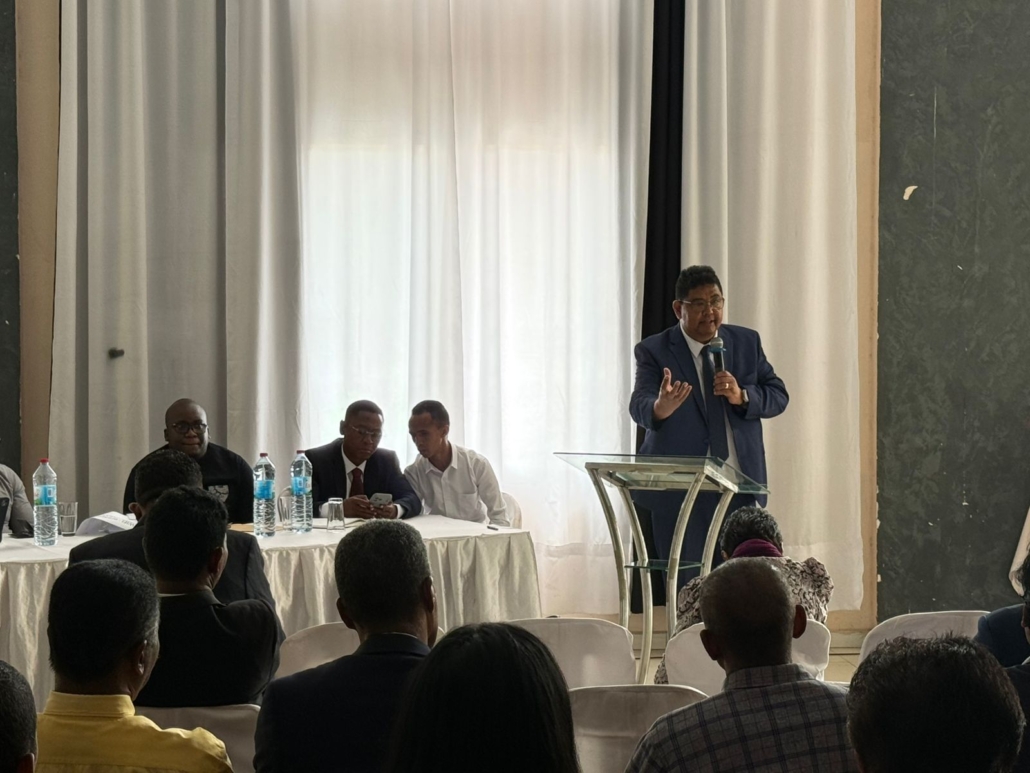
Lors de cette visite, le discours du Secrétaire général a principalement porté sur le renforcement de l'Alliance évangélique nationale, l'approfondissement de la compréhension de l'Association des évangéliques en Afrique (AEA) et la réaffirmation des fondements théologiques et missionnaires de l'AEA. Il a établi un lien entre la vision continentale et la responsabilité nationale, soulignant la place stratégique de Madagascar au sein de la grande famille évangélique africaine.
Le Secrétaire général a également retracé l'histoire de l'AEA, expliquant les raisons de sa création et le contexte dans lequel les évangéliques africains ont perçu la nécessité d'une organisation continentale. L'orthodoxie biblique occupe une place essentielle au cœur de cette identité ; elle sous-tend la théologie, les valeurs et le témoignage de l'AEA. Il a souligné que la crédibilité, l'unité et la mission de l'AEA ne peuvent se maintenir que grâce à un engagement indéfectible envers l'autorité des Écritures.
L'appel à l'unité
Une part importante du discours a mis l'accent sur l'unité du Corps du Christ, s'appuyant sur Jean 17,20-21, où Jésus prie pour que les croyants soient un afin que le monde puisse croire. Le Secrétaire général a souligné que l'unité n'est pas une option, mais un fondement essentiel pour un témoignage chrétien efficace et une transformation profonde. Les Églises, grandes et petites, ont été encouragées à rejoindre et à participer activement à l'alliance nationale, un moyen concret de renforcer la voix, l'influence et l'impact collectifs des évangéliques à Madagascar.
L'Afrique que Dieu veut
Le discours a ensuite porté sur la vision à long terme de l'AEA, exprimée par le slogan ‘ L'Afrique que Dieu veut ’. Cette vision a été délibérément opposée à celle de l'Union africaine, ‘ L'Afrique que nous voulons ’, soulignant ainsi le caractère biblique et évangélique distinctif de la vision de l'AEA.
Le Secrétaire général a dressé un tableau des réalités de l'Afrique d'aujourd'hui : les défis persistants tels que les guerres et l'instabilité politique, les maladies, la mauvaise gouvernance, les systèmes de santé défaillants, l'existence de groupes ethniques non atteints par l'Évangile et l'exploitation tragique de la jeunesse, souvent par des mouvements extrémistes. Il a affirmé que si ces réalités décrivent l'Afrique que nous connaissons, ce n'est pas l'Afrique que Dieu désire.
En réponse, le Secrétaire général a présenté le Programme de transformation de l'AEA, mettant l'accent sur la transformation du continent grâce à un leadership inspiré par l'Évangile. L'AEA s'efforce d'offrir un leadership spirituel, moral et stratégique pour faciliter le changement à travers l'Afrique, en promouvant une participation, une appropriation et une responsabilité accrues au niveau des alliances nationales.
Chaque alliance nationale, y compris Madagascar, a été invitée à discerner et à formuler, dans la prière, son propre programme de transformation contextuelle, en accord avec la vision continentale plus large, afin qu'ensemble, l'Afrique puisse refléter de plus en plus l'Afrique que Dieu souhaite.
Partant de cette vision, le Secrétaire général a souligné la nécessité d'une unité d'action entre les Églises et les organisations évangéliques de Madagascar. Il a encouragé les responsables à concevoir cette unité non seulement comme un alignement structurel, mais aussi comme un engagement commun en faveur d'une transformation inspirée par l'Évangile dans leur contexte national.
Action humanitaire et visite de terrain
Après le discours, la délégation s'est rendue sur les sites de distribution d'aide humanitaire. Sur place, le Secrétaire général a prononcé un bref discours d'exhortation, s'appuyant sur le récit biblique de la multiplication des pains. Il a rappelé aux personnes présentes que si le peuple avait suivi Jésus pour obtenir du pain, le Christ l'avait finalement repris pour le conduire vers le véritable Pain de Vie. Dans ce contexte, l'aide humanitaire fournie par l'AEA a été présentée non comme une fin en soi, mais comme un signe renvoyant au Christ, source de vie.

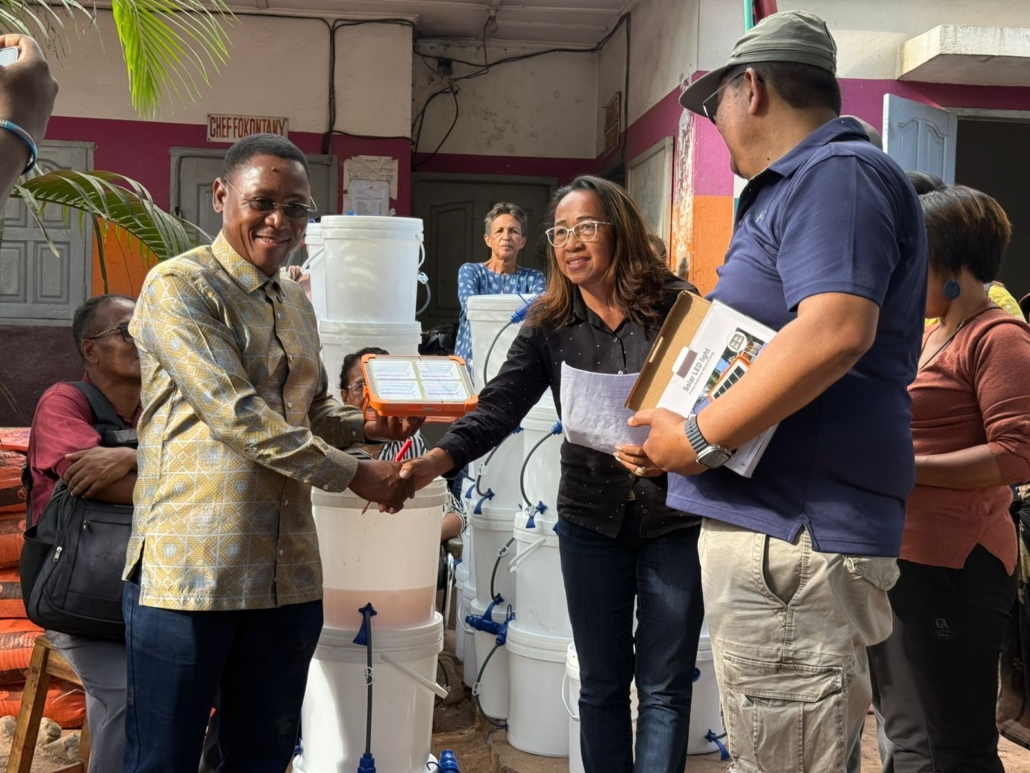
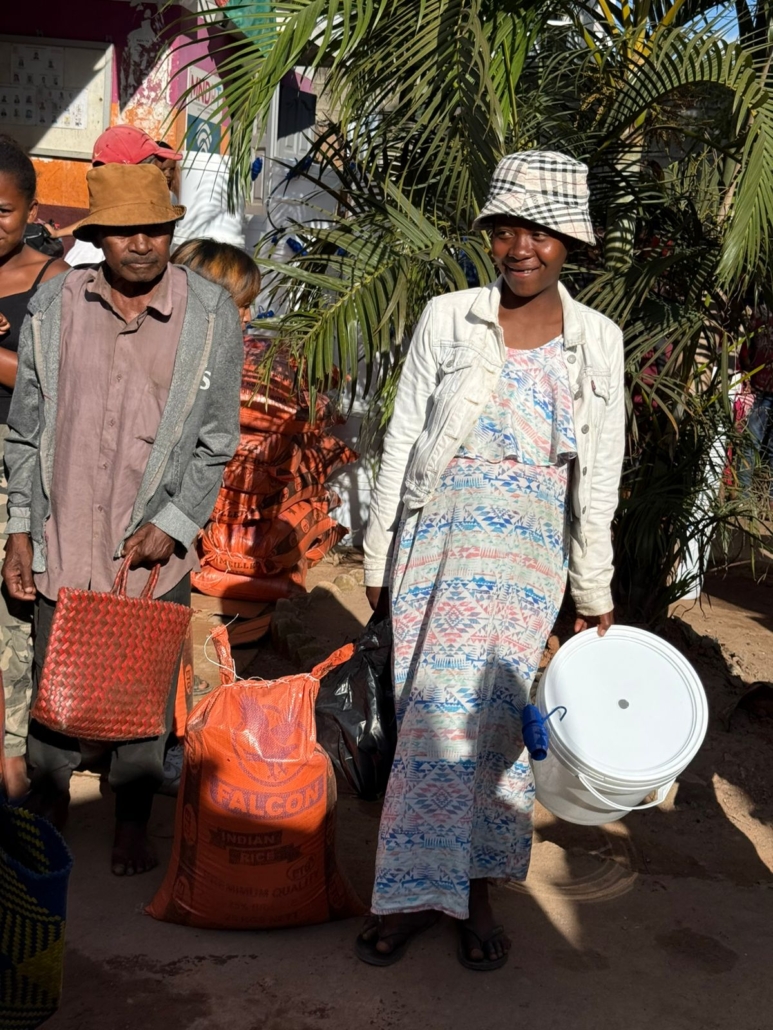
Le Secrétaire général a conduit les bénéficiaires dans une prière de repentance et de foi en le Seigneur Jésus-Christ. Cette réflexion spirituelle a souligné la dimension holistique de l'Évangile. Ensuite, l'eau a été purifiée et les gens ont pu boire, un acte symbolique qui réaffirmait que l'aide apportée dépassait le simple besoin de subsistance matérielle pour atteindre la vie spirituelle en Christ.
Conclusion
L’aide humanitaire s’inscrivait ainsi dans une mission globale où compassion, proclamation et transformation spirituelle étaient indissociables. Au-delà du simple don à Celui qui donne la vie, cette action humanitaire affirmait l’engagement d’AEA en faveur d’une transformation centrée sur l’Évangile, en paroles et en actes.


 English
  French
  Portuguese