
Les dirigeants évangéliques du monde entier se réunissent à Athènes et s'engagent à l'unité et à une collaboration renouvelée.
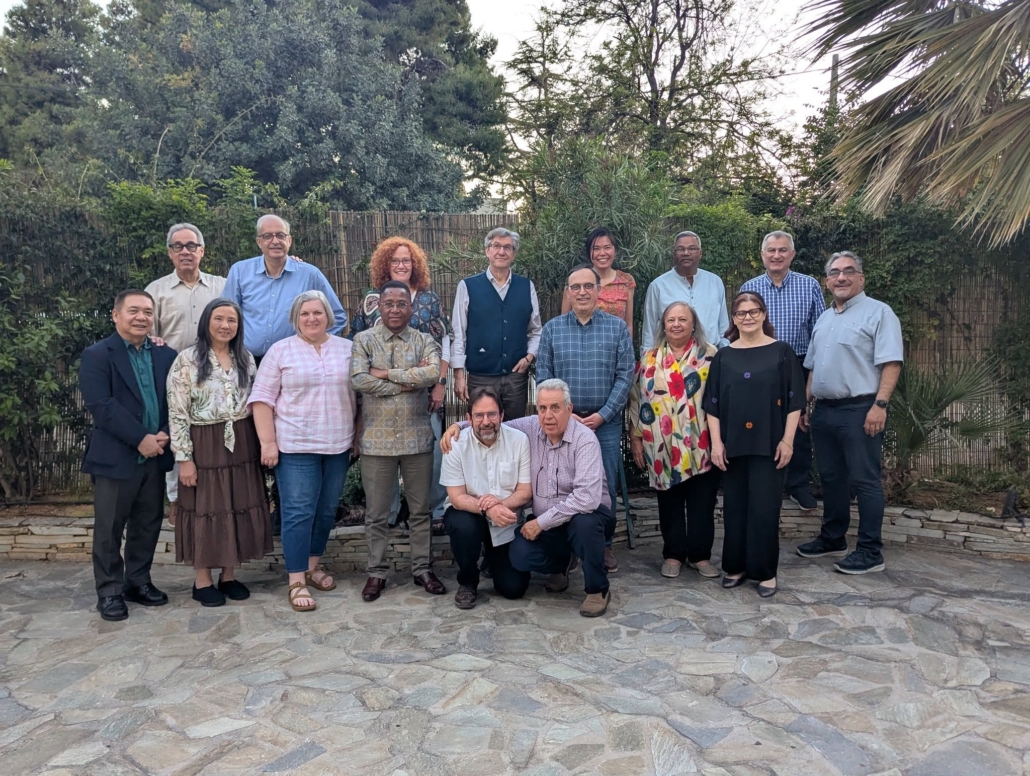
Le secrétaire général de l'Association des Évangéliques d'Afrique (AEA), le Dr Master Matlhaope, s'est joint à des responsables évangéliques régionaux du monde entier à Athènes, en Grèce, pour une rencontre historique de deux jours organisée par l'Alliance Évangélique Mondiale (AEM) les 28 et 29 avril 2026. Représentant l'AEA, organisation regroupant 51 nations et l'une des expressions régionales les plus importantes de l'Église mondiale, le Dr Matlhaope a porté la voix et les aspirations de l'Afrique lors d'un débat approfondi sur l'avenir de la collaboration évangélique mondiale. Cette réunion, à laquelle la plupart des délégués ont participé en personne et quelques-uns en ligne, a porté sur le renforcement des liens entre l'AEM et ses neuf alliances régionales, la viabilité financière et un cadre de collaboration pour un témoignage mondial partagé.
Le Dr Matlhaope a présenté l'orientation stratégique de l'AEA, une organisation représentant les évangéliques dans 51 des 54 pays africains. Il a exposé la Vision 2066 de l'AEA, qui articule son ambition continentale autour de sept aspirations pour ‘ L'Afrique que Dieu désire ’ : l'unité évangélique dans l'évangélisation et la formation intergénérationnelle de disciples ; des communautés nationales financièrement viables ; une solide formation biblique et théologique ; un ministère évangélique enrichi par la recherche ; une transformation communautaire holistique ; un leadership éthique et le respect de l'État de droit ; et l'égalité des chances pour tous, avec une attention particulière portée aux enfants, aux jeunes et aux femmes. Parallèlement à cette vision à long terme, le Dr Matlhaope a présenté un nouveau plan stratégique à court terme articulé autour de cinq piliers : Mission holistique, Technologie et Recherche, Plaidoyer, Leadership et Formation théologique, et Transformation sociale – genre, famille, enfants et jeunes.
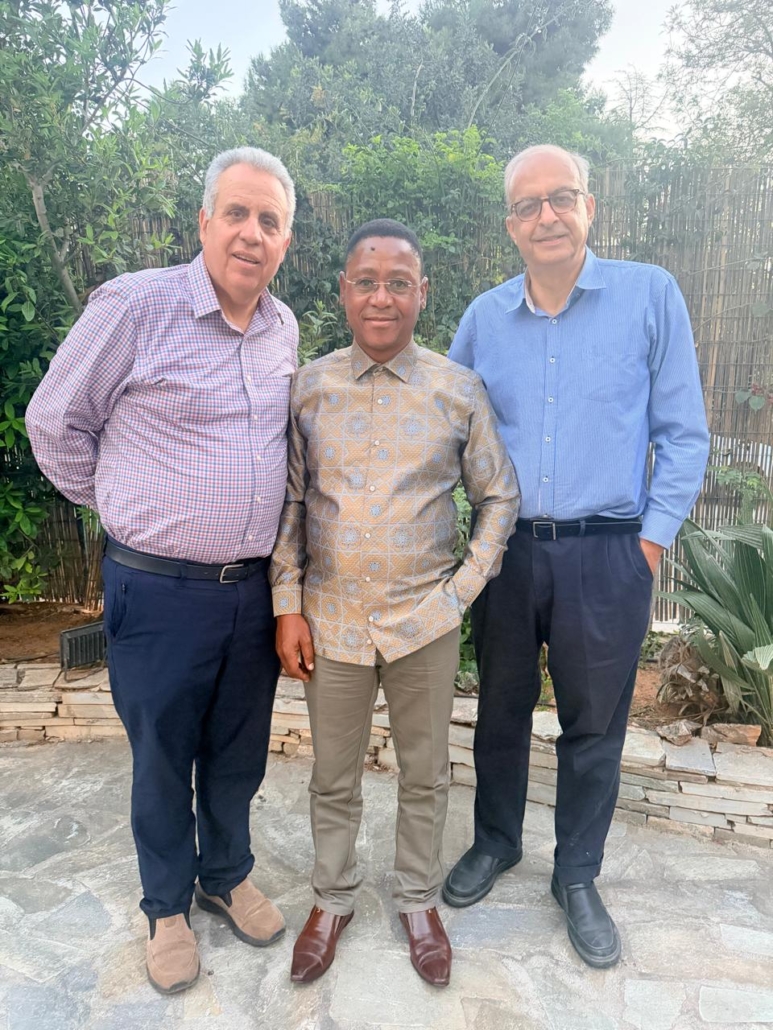
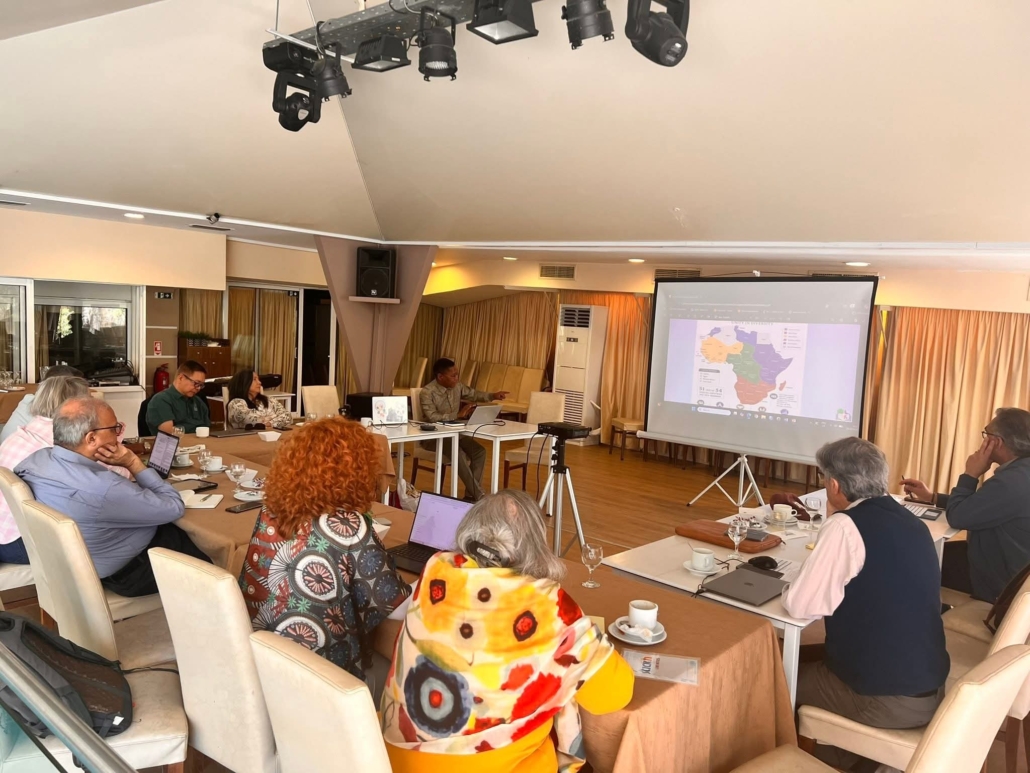
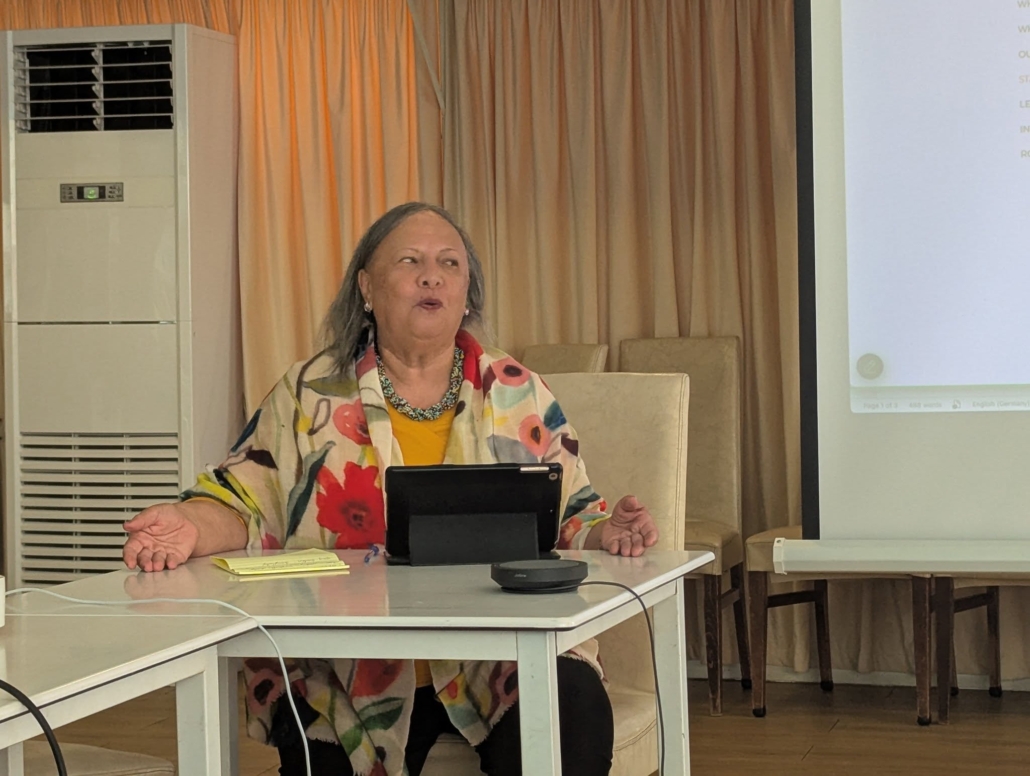
Ont également été mises en avant les nouvelles initiatives institutionnelles de l'AEA, notamment le Centre de ressources et de recherche pour l'Afrique (ARRC), la Coalition des entreprises chrétiennes (CBC) et le programme FASAU qui mobilise les gouvernements africains par le biais d'un plaidoyer diplomatique pour promouvoir la liberté de culte.
La visite des responsables de l'Alliance évangélique grecque a donné une dimension locale et profondément émouvante à l'événement. Fotis Romeos, président de l'Alliance, a expliqué comment sa communauté, reconnue légalement comme Église depuis seulement 2014, a renforcé son témoignage par son ministère auprès des migrants et des réfugiés. Ses paroles ont profondément touché les cœurs : “ Nous ne les aidons pas par intérêt, mais parce que nous sommes quelque chose. ”
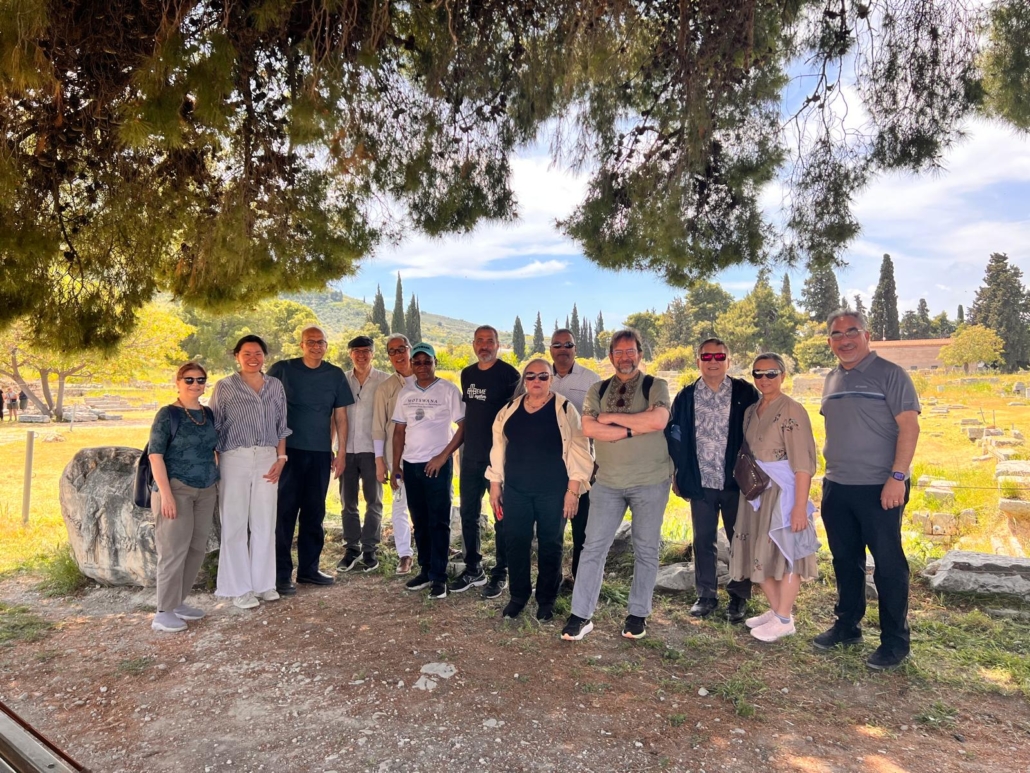
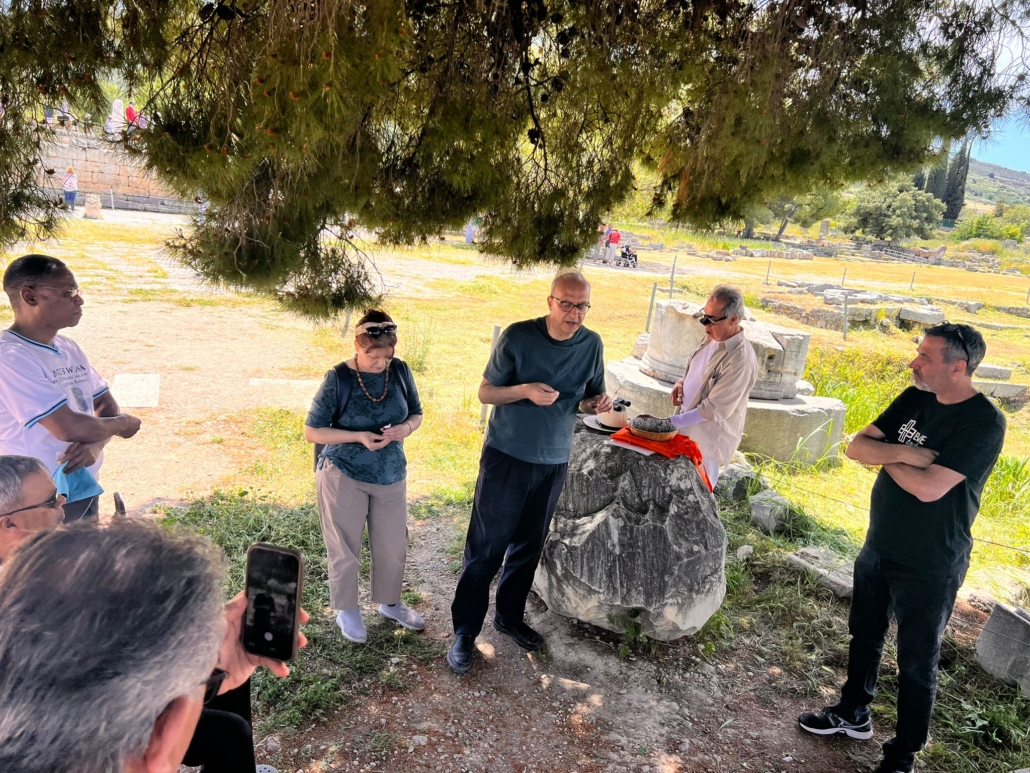
Le rassemblement s'est clôturé à Corinthe, la ville antique où l'apôtre Paul passa dix-huit mois à implanter et à développer l'une des communautés les plus complexes de l'Église primitive. Sur cette terre, des délégués venus de neuf régions du monde ont communié ensemble, réaffirmant leur identité commune d'enfants de Dieu. Ce fut une conclusion appropriée à une rencontre qualifiée par les participants de cruciale et stratégique pour l'Église universelle : un moment de recueillement, pour se souvenir du but du mouvement et renouveler notre engagement commun envers l'œuvre à venir.
Le secrétaire général de l'Alliance évangélique mondiale (AEM), le révérend Botrus Mansour, a décrit l'atmosphère de la réunion comme “ chaleureuse, respectueuse et constructive ”, ajoutant : “ Nous avons ressenti l'unité chrétienne à travers les différentes cultures au sein du corps mondial du Christ. ”
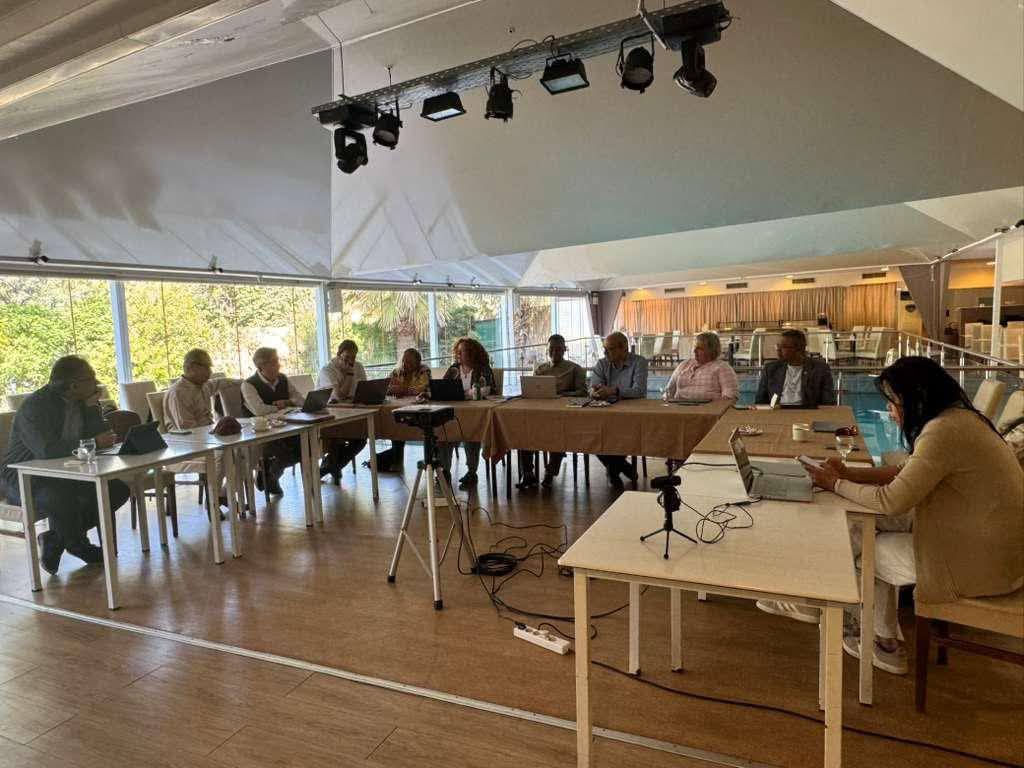
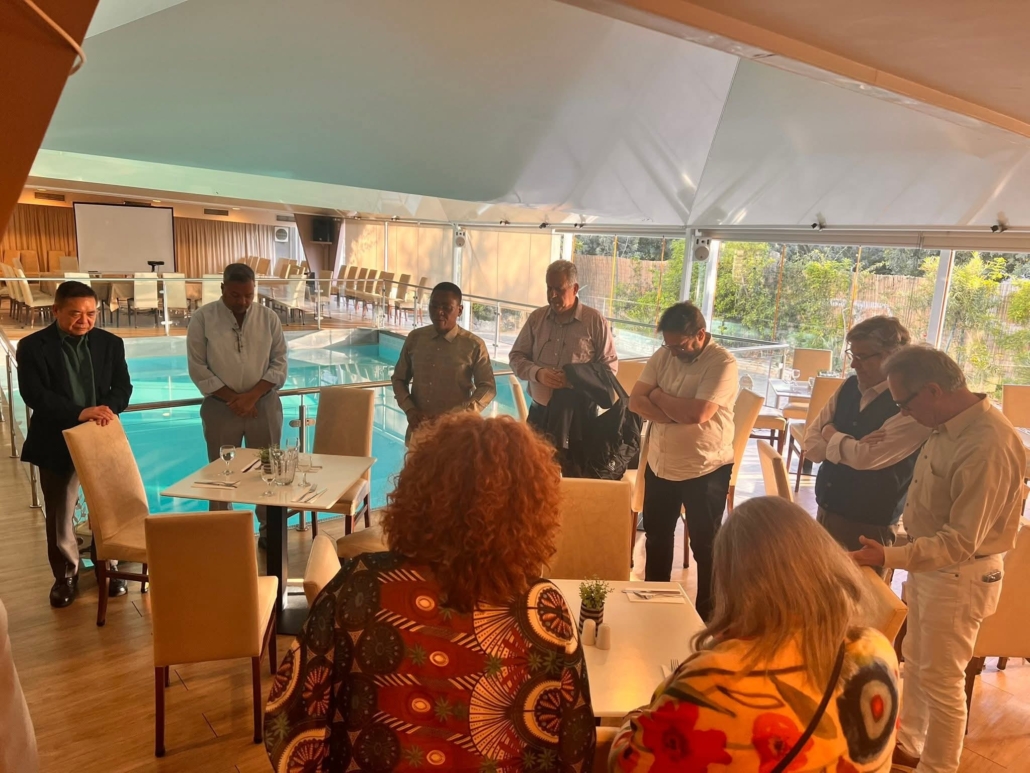
La rencontre à Athènes était bien plus qu'une simple séance de stratégie. Les participants ont consacré un temps précieux à la prière et au culte, et ont discuté de la manière de discerner les temps, de guider les disciples du Christ et de développer un leadership de service au sein du corps du Christ. Le corps du Christ a été cité à maintes reprises comme métaphore directrice : une famille mondiale aux expressions diverses, unie par un seul Esprit et une seule mission.
La visite des responsables de l'Alliance évangélique grecque a donné une dimension locale et profondément émouvante à l'événement. Fotis Romeos, président de l'Alliance, a expliqué comment sa communauté, reconnue légalement comme Église depuis seulement 2014, a renforcé son témoignage par son ministère auprès des migrants et des réfugiés. Ses paroles ont profondément touché les cœurs : “ Nous ne les aidons pas par intérêt, mais parce que nous sommes quelque chose. ”
Le rassemblement s'est clôturé à Corinthe, la ville antique où l'apôtre Paul passa dix-huit mois à implanter et à développer l'une des communautés les plus complexes de l'Église primitive. Sur cette terre, des délégués venus de neuf régions du monde ont communié ensemble, réaffirmant leur identité commune d'enfants de Dieu. Ce fut une conclusion appropriée à une rencontre qualifiée par les participants de cruciale et stratégique pour l'Église universelle : un moment de recueillement, pour se souvenir du but du mouvement et renouveler notre engagement commun envers l'œuvre à venir.


 English
  French
  Portuguese